Appliance
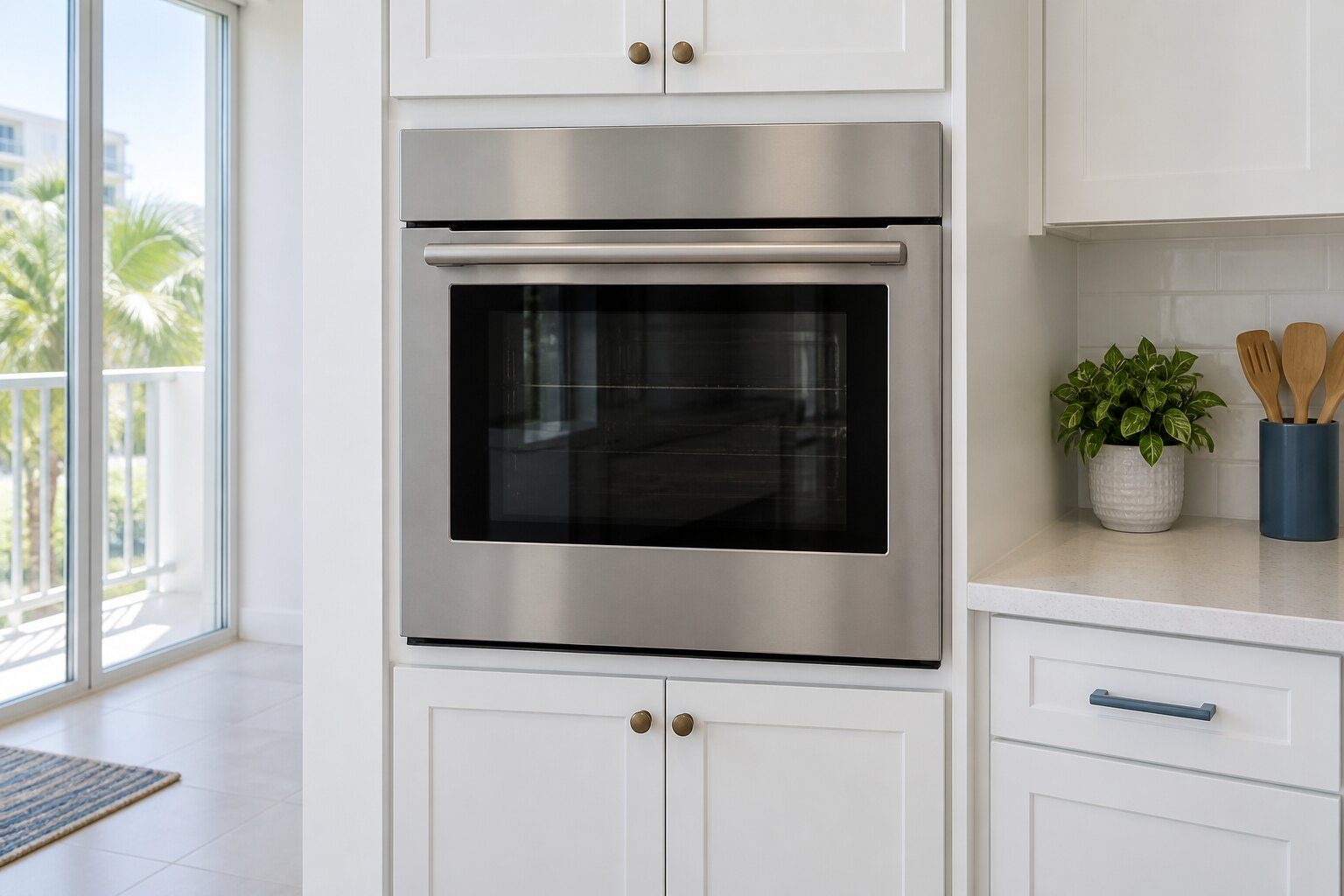
Frigidaire wall ovens
Fifty wall ovens: 24 single, 16 double and ten microwave combinations. Unlike the freestanding range, these are built into a cabinet column, and that changes the job before anyone touches the appliance — the oven has to come out on its runners to be worked on, the cabinet has to take the weight, and on a double oven the upper cavity is at head height. The problems themselves are the familiar ones: heating, the sensor and calibration, the door and its hinges, and the lock that has to release before the door will open.
- 3 symptoms we are called out to
- From $89 diagnostic, credited to the repair
- 59 cities and neighborhoods covered
- OEM parts available on order
The short version
What this equipment is, for a repair
Configurations
Single · double · microwave combination
Access
Planned before the visit, not discovered on arrival
Parts
OEM, available on order
Diagnostic
From $89, credited to the repair
What goes wrong with it
Symptoms we are called out to on Frigidaire wall ovens
Each one covers the likely causes in the order they are worth checking, and what to do in five minutes before booking anything.
-
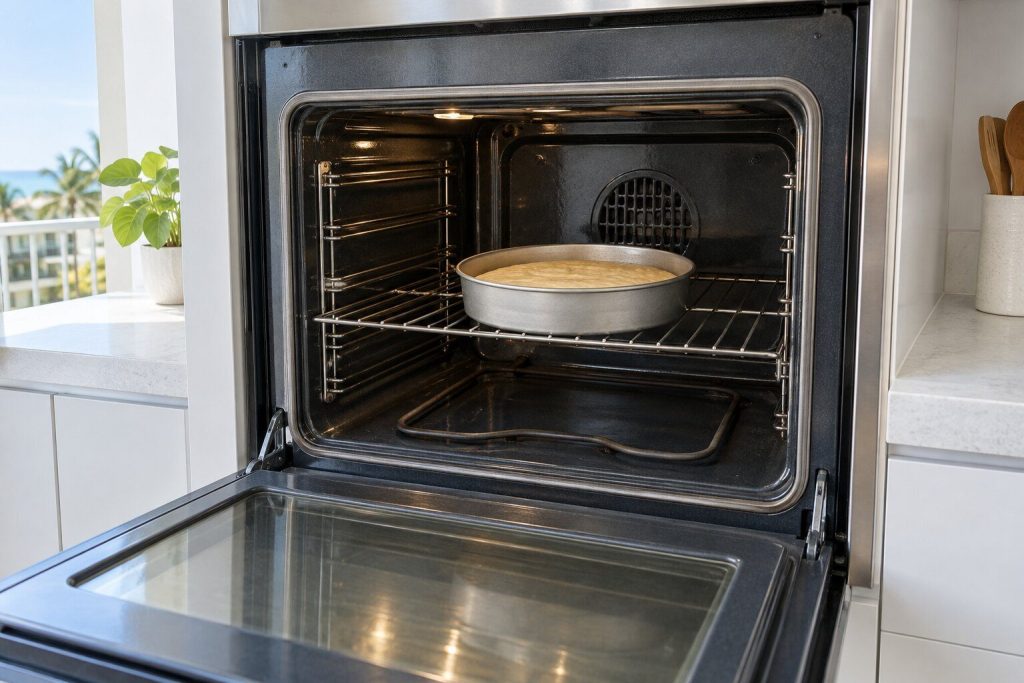
It stays cold, or never gets near the temperature you set Oven not heating
Two complaints wear one title, and separating them saves a visit. An oven that is stone cold is an element, an igniter or a supply problem; an oven that heats but stops well short is almost always the sensor or the calibration. A thermometer on the middle shelf tells us which one you have, and that decides what rides on the van.
- Stone cold and never-hot-enough are different repairs
- On gas, a weak igniter gives slow heat rather than no heat — the classic misdiagnosis
- An oven thermometer is the cheapest diagnostic tool in the kitchen
-
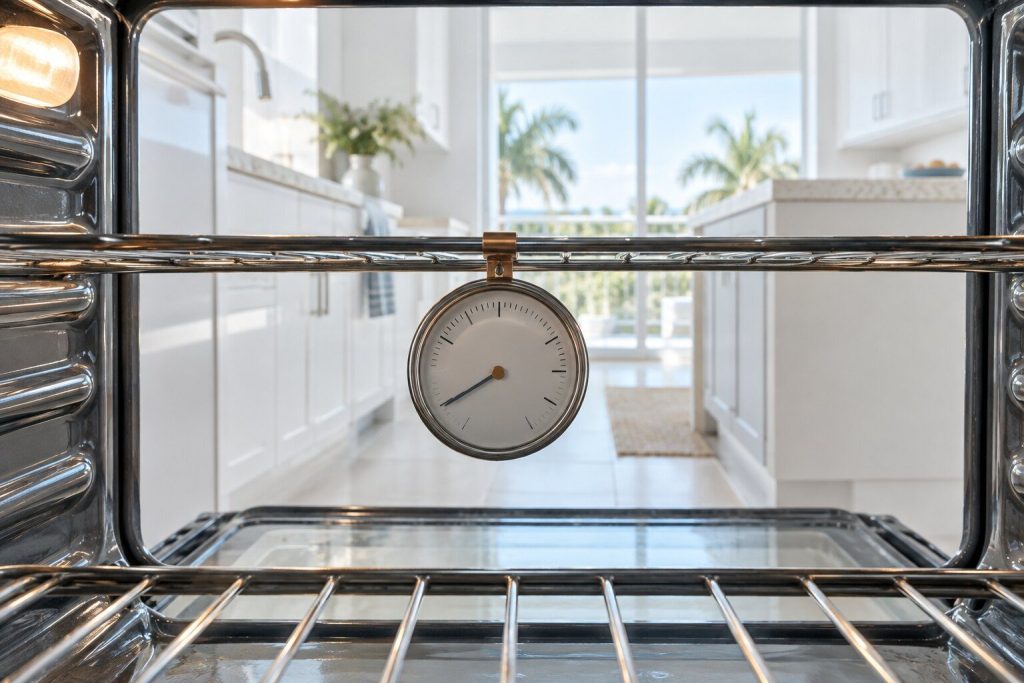
Cakes sink, edges burn, everything takes longer than the recipe Oven temperature is wrong
Sometimes a failure, sometimes an oven behaving correctly and a recipe written for a different one. These cavities are allowed to swing either side of the setting as the thermostat cycles, and a new oven often runs truer — and hotter at the edges — than the twenty-year-old machine it replaced. A thermometer and three readings settle which of those you have.
- A cavity swings by design; the question is where the middle of the swing sits
- A drifting sensor is a part; a small consistent error is a calibration offset
- A door that leaks heat produces exactly this with nothing electrical wrong
-
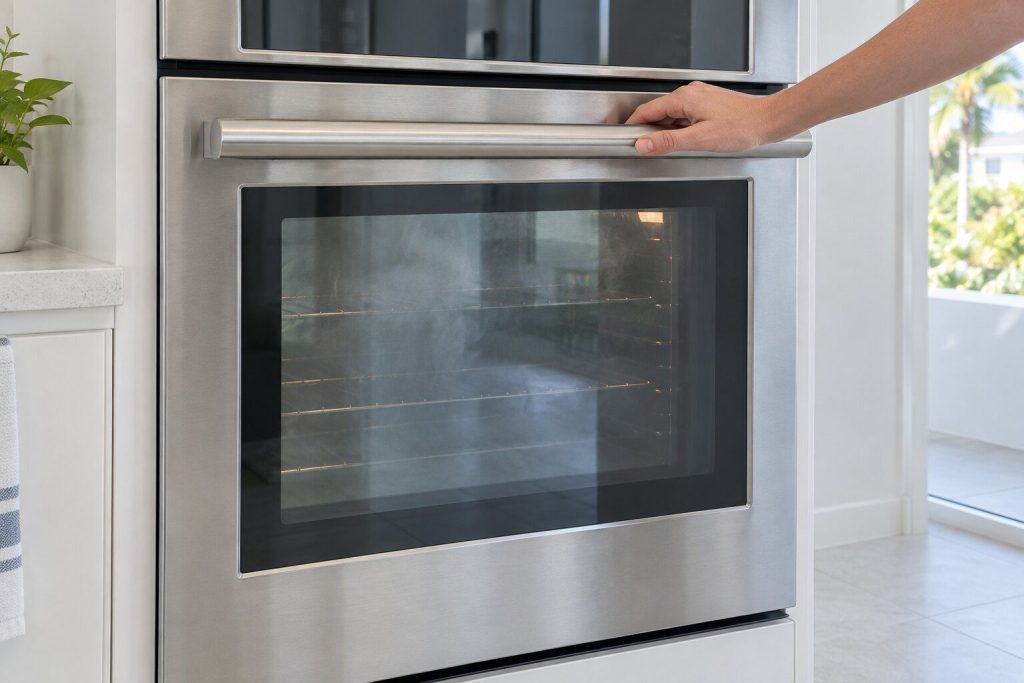
It went into a clean cycle and never let go Oven door locked shut
Alarming and usually ordinary. The cavity has to fall below a threshold before the lock will release, so a sensor reading high — which is common after the heat of a self-clean cycle — keeps a perfectly good door shut indefinitely. The one thing not to do is lever it, because the hinges and the lock assembly cost several times what the visit does.
- The lock is waiting for a temperature, and it may be reading the wrong one
- Forcing the door costs hinges and a lock assembly
- Self-clean cycles are hard on these ovens, and we say so
What we do on it
Repairs we carry out on Frigidaire wall ovens
Starting figures for this equipment in South Florida. The exact cost is confirmed after an on-site diagnostic — and this is not the whole list of what can go wrong, so call if your problem is not here.
-
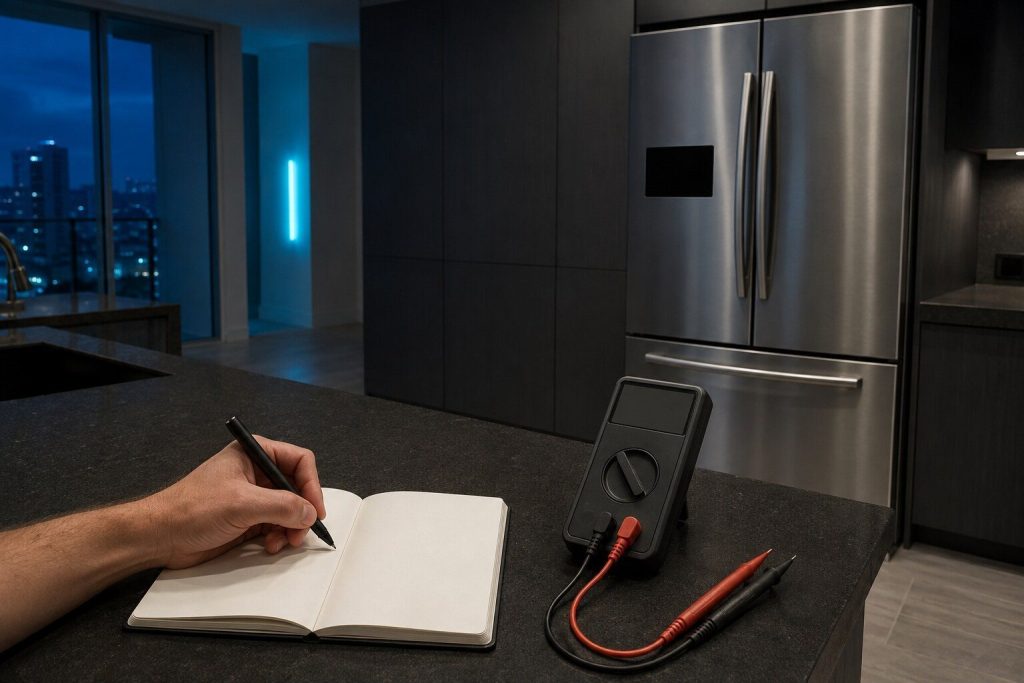
from $89 Diagnostic visit
We find out what is wrong before anybody quotes a part. On this make the first thing established is age, because the badge sells the appliance that came with the apartment and we open machines at every stage of life — a two-year-old range and a fifteen-year-old washer in the same building. The fee comes off the bill when you go ahead with the work, and where the answer is that the repair is not worth doing, you get that answer plainly and it is still the same fee.
- Age and model first: this badge is repaired at every stage of life
- The number before the work, in writing, and it is credited toward the repair
- Where the machine is not worth fixing we say so instead of selling a part
-
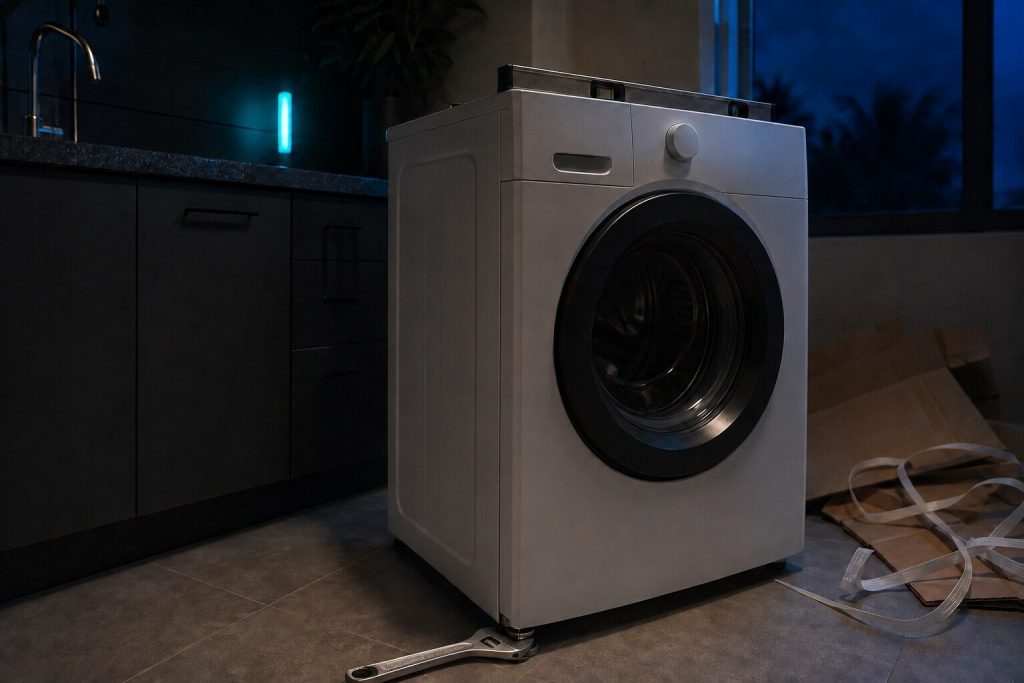
from $139 Appliance installation
Fitting a new machine properly and leaving the old one gone: level, connected, tested and checked for the things that cause a call-out three weeks later. On this badge most of what we install is freestanding or slide-in, which is straightforward — and the two that are not, a wall oven in a column and a beverage cabinet built into a run, are exactly where a bad installation shows up later as a repair.
- Level, connected, tested — and the old machine taken away
- Water, gas and vent connections left right, not just left working
- Built-in cabinets get a clearance check, which is where later problems begin
-
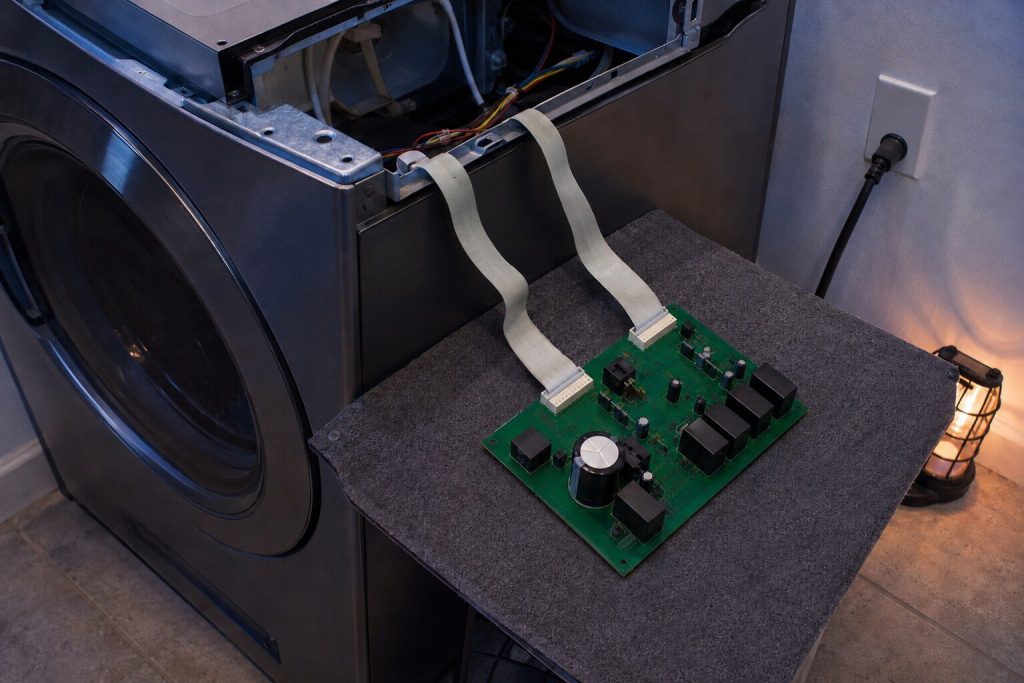
from $245 Control board repair
The board is the part most often blamed and least often to blame. A machine that is dead, resetting, or ignoring half its own panel usually has a supply problem, a failed sensor or a connector that has corroded in this humidity — and all three imitate a failed board convincingly. We measure what reaches the board before quoting one, because on this badge a board is frequently a large share of what the appliance is now worth.
- Measured before it is quoted: supply, sensors and connectors first
- Humidity corrodes connectors here, and that looks exactly like a dead board
- On an older machine the board is compared with the value of the appliance, out loud
-
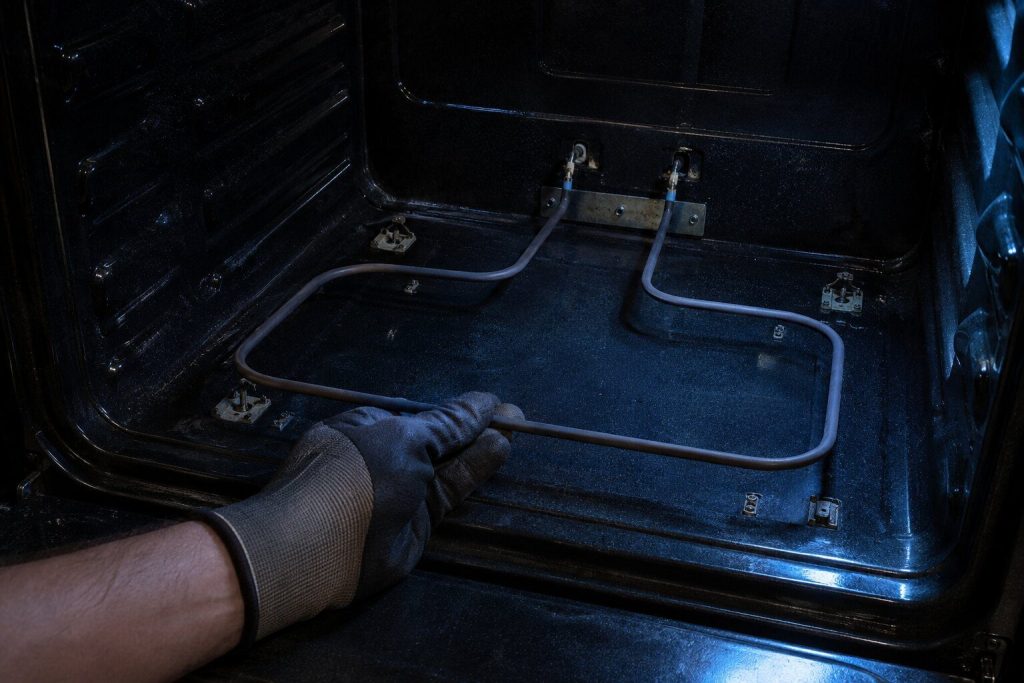
from $149 Oven not heating repair
An oven that stays cold, or one that heats to something well short of what it was set to. On an electric cavity that is the bake or broil element, its relay, or the sensor the control is reading; on gas it is the igniter, which fails by drawing too little current to open the valve properly and produces weak, slow heat rather than none at all. Both are ordinary jobs with parts that are usually on the van.
- Cold and 'not hot enough' are two different diagnoses
- On gas, a weak igniter gives slow heat rather than no heat — the classic misdiagnosis
- The sensor is measured, not guessed at, before a control is quoted
-
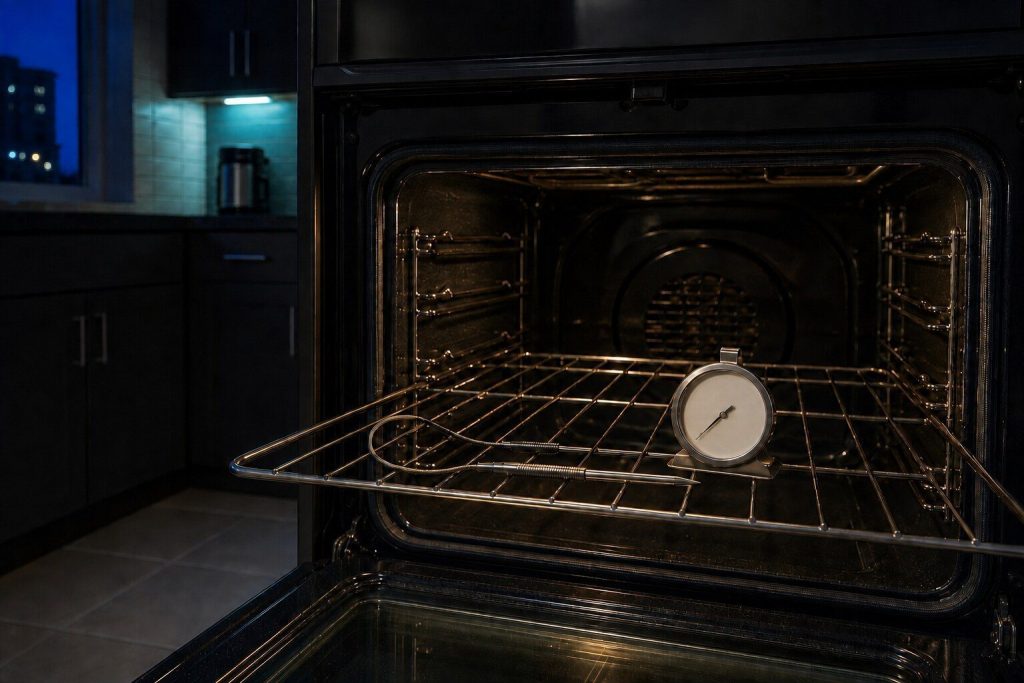
from $115 Oven temperature and calibration service
Baking that has gone wrong without anything obviously failing: cakes that sink, a cavity that runs twenty degrees under, a machine that was fine until it was moved. Most of these are the sensor or the calibration, and both are cheap to establish. It is also the visit where we find out that a new oven is behaving correctly and the recipe was written for an old one.
- Cheap to measure and often not a failure at all
- A sensor reading high is the commonest single cause
- Ovens can be offset in software; not every complaint needs a part
-
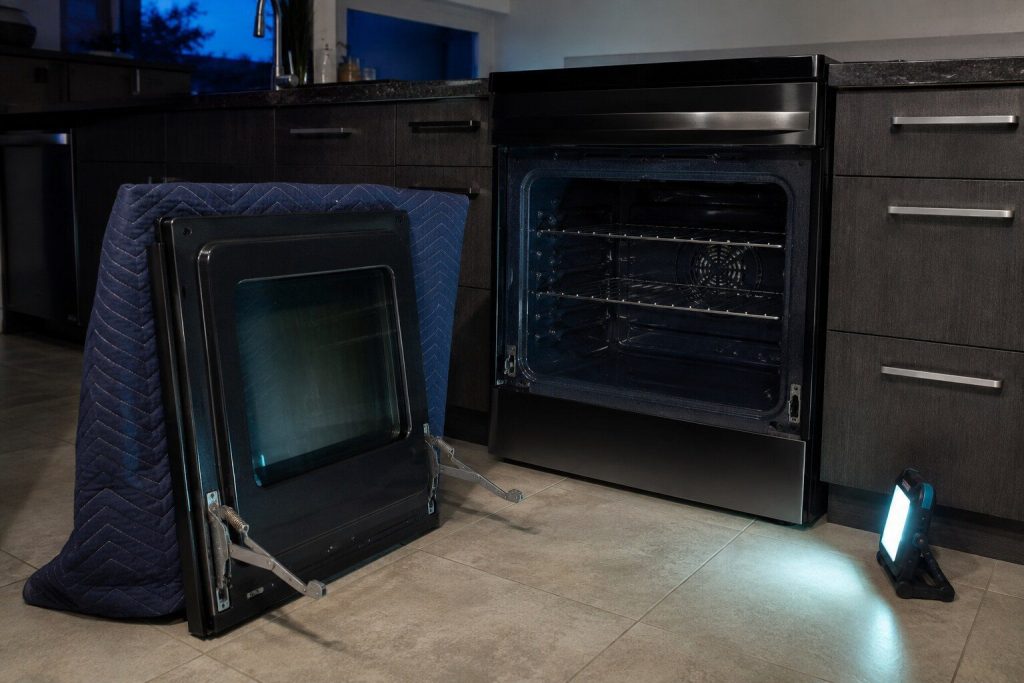
from $165 Oven door and hinge repair
A door that will not close flush, has dropped on one side, or whose glass has gone cloudy from the inside. A leaking door costs heat on every bake and is one of the reasons an oven 'runs cool' with no electrical failure at all. On a wall oven at chest height it is also a weight-handling job rather than a quick fix.
- A leaking door is a common cause of an oven that runs cool
- Hinges are replaced in pairs — one worn side drags the other
- On a wall oven this is a two-person lift, planned in advance
-
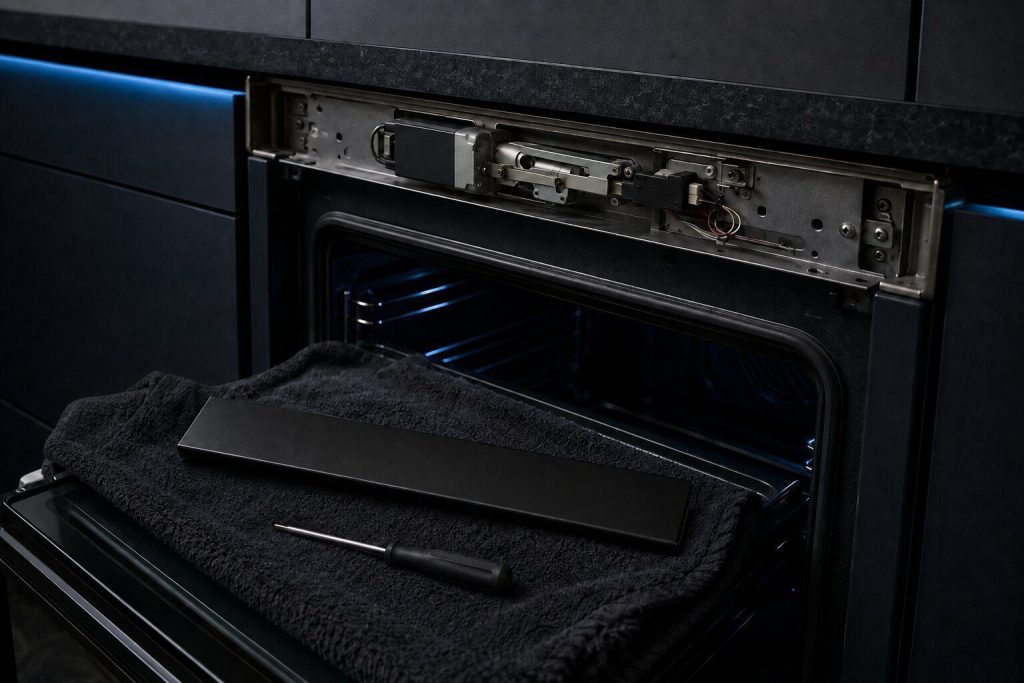
from $149 Self-clean and door lock repair
A door locked shut after a cleaning cycle, or a cycle that will not start because the lock will not engage. It is one of the more alarming things an oven does and one of the more ordinary to repair: the cavity has to fall below a threshold before the lock will release, so a sensor reading high keeps a perfectly good door shut indefinitely.
- A locked door after cleaning is usually a temperature reading, not a seized lock
- Forcing it costs more than the visit: hinges and lock assemblies are dear
- Self-clean is hard on these ovens, and we say so
In more detail
About Frigidaire wall ovens
Built in changes the job before it starts
A wall oven is a heavy appliance held in a cabinet at chest height, and getting to the back of it means bringing it forward on its runners with the cabinetry taking the load. That is planned, not improvised: we ask about the installation when you book, because a column oven above a warming drawer or under a microwave is a different visit from one at floor level. It is also why we do not quote this work by the part alone.
What a microwave-combination cavity adds
Ten of these fifty are combination units, with a microwave above a conventional cavity in one housing. They carry a second set of failures — magnetron, high-voltage components, door interlocks — that belong to microwave work and are done to different safety rules. A technician who treats the upper half as 'just an oven' is the wrong technician for that appliance.
This article is based on:
- Official manufacturer documentation
- Internal repair procedures
- Technician repair history
- Company quality standards
Before you book
Questions about Frigidaire wall ovens
The door is locked and will not release after a clean cycle.
Common, and usually a temperature or a lock-motor problem rather than a seized door. The cavity has to fall below a threshold before the lock will let go, so a sensor reading high keeps it shut indefinitely. Do not force it — the hinge and the lock assembly are more expensive than the visit that sorts it out properly.
The top oven works and the bottom one does not.
On a double oven that is genuinely useful information: two cavities, separate elements and sensors, usually one control board. If one cavity is completely dead, we look at its element circuit and the relay that feeds it; if it heats badly rather than not at all, the sensor is the first measurement.
Is a wall oven worth repairing, or should it be replaced?
More often worth repairing than a freestanding range, because replacement is not just an appliance — a modern oven may not fit the existing cut-out, and the cabinetry work is on top of the price. We give you the repair figure before starting and are straightforward about the cases where it is close.
Where we do it
Across Miami-Dade, Broward, and Palm Beach
Same terms everywhere we go: an on-site diagnostic first, the price agreed in writing, and the exact figure confirmed once we have seen the unit.
Neighborhoods people ask for by name