Troubleshooting
Checking a Refrigerator Temperature When You Do Not Own a Thermometer
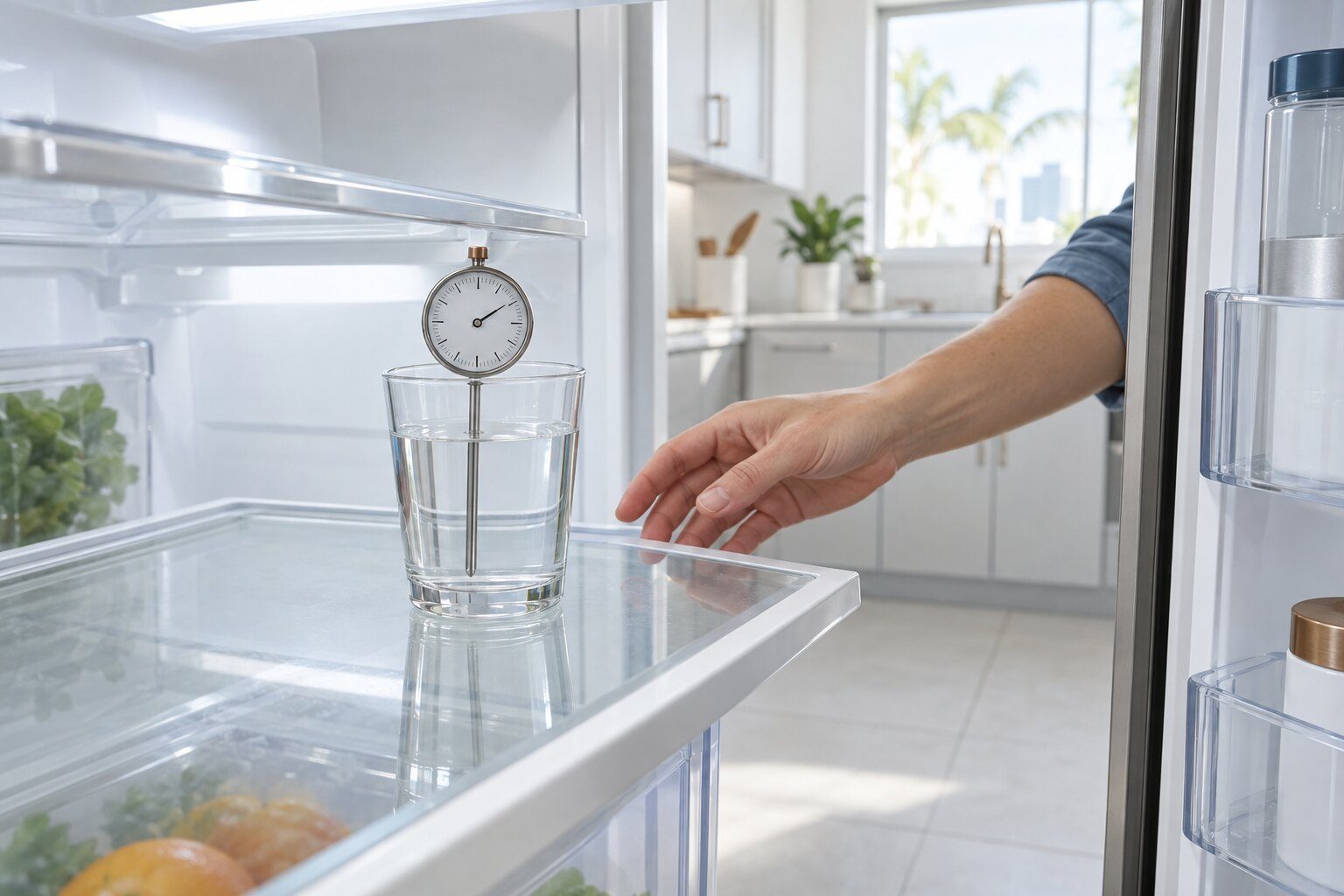
Three household tests will bracket the temperature well enough to tell a working cabinet from a failing one. Butter left in the main compartment should be firm but spreadable — soft and greasy means the cabinet is running above forty-five. Ice cream in the freezer should be hard enough that a spoon needs real pressure; if it scoops easily the freezer is above ten degrees and is not doing its job. And milk is the honest one: milk that sours noticeably early is a cabinet running warm, whatever the panel says. What none of these can do is give you a number, and a number is what decides between a machine that needs adjusting and one that needs a technician. A glass of water left in the fresh-food section overnight with any cheap thermometer in it, read before the door is opened, costs a couple of dollars and settles it — which is why the real answer to this question is to buy the thermometer.
The full guide
How to check refrigerator temperature without a thermometer is a fair question with a slightly awkward answer, and this page gives both halves: the tests that genuinely work, and the point at which they stop working.
How to check refrigerator temperature without thermometer: why the panel does not settle it
On most of these cabinets the number on the door is a setting. It reports what the machine has been asked to do, not what it has achieved.
That distinction matters more than it sounds. A cabinet with an evaporator coil buried in frost will display a contented thirty-seven while the fresh-food section sits at forty-six, because the control is reading a sensor in an air stream that has stopped moving. Every display on the front is right and the food is spoiling anyway.
So the panel is not a measurement, and on the cold side of this maker's catalog there is nothing else to read either — no codes are published for freezers, ice makers or wine cabinets at all.
The three household tests, and what each one is worth
Butter. Put it in the main compartment, not in the door — the door is the warmest place in any refrigerator. After a few hours it should be firm but spreadable. Rock hard means the cabinet is running cold enough to be freezing produce; greasy and soft means it is above forty-five and food safety is already a question.
Ice cream. The single most useful freezer test, because ice cream is a much more sensitive indicator than ice. Water stays frozen well above zero; ice cream does not. It should resist a spoon and need real pressure. If it scoops straight from the freezer like it has been sitting out, the freezer is above ten degrees.
This is also the test that catches the sneaky failure: hard ice cubes and soft ice cream together mean a freezer at around fifteen — cold enough to look completely normal, warm enough to be quietly ruining frozen food.
Milk. The best of the three and the slowest. Milk souring two or three days before its date, consistently, is a cabinet running warm — and unlike a single spot check it integrates the temperature over days, which is exactly what spoilage responds to.
Two more signs that cost nothing
Condensation inside. Water beading on the interior walls of a closed cabinet is warm, wet air getting in — a door seal, in this climate, nine times out of ten.
Ice cream that has gone grainy rather than soft. That is a freezer whose temperature is swinging rather than sitting warm, which usually points at a defrost cycle behaving badly rather than at a cooling failure.
Where all of this stops
These tests tell you which band you are in. They cannot give you a number, and a number is what decides what happens next.
Thirty-seven degrees in the fresh-food section and zero in the freezer is what this maker recommends for a kitchen. The difference between a cabinet at thirty-nine — fine — and one at forty-three — not fine — is invisible to butter, invisible to your hand, and completely visible to a two-dollar thermometer.
It is also the first number any technician will ask you for, and having it before the call sometimes changes the visit from a diagnostic into a repair.
The proper method, once you have one
A glass of water in the fresh-food section with the thermometer in it, left overnight, and read before the door is opened in the morning.
The water matters: air temperature in a refrigerator swings several degrees every time the compressor cycles, and it spikes the moment the door opens. Water averages that out and holds the reading long enough to be read honestly.
For the freezer, put the thermometer between two frozen packages rather than in open air, for the same reason.
What the numbers mean when you have them
Fresh food at 37 to 40, freezer at 0. Working.
Fresh food above 45 with the freezer at 0. The classic pattern on this maker's cabinets, and it is one problem rather than two: these are single-evaporator machines, so the fresh-food side only gets what the freezer gives it. A blocked air path, a stalled fan, or a defrost failure starves that side first.
Both compartments warm. The cooling itself. Start at the condenser coil behind the grille at floor level, which in this territory loads within a year or two and which nothing on the machine reports.
Warmer over time, gradually. A door seal, and the dollar-bill test finds it in a minute.
If it turns out to be a repair
What this leads to, and what it costs
Every job on this site is priced the same way: an on-site diagnostic first, the figure agreed in writing before anybody starts.
-
Refrigerator not cooling
The cabinet is doing something — you can hear it — and it is still not cold. On most of the machines this badge sells there is nothing on the front to read, so the first useful thing you can do is not a repair at all: put a thermometer in each compartment and note the two numbers an hour apart. That pair tells us more than any description of the noise, and it is the difference between an hour of guessing and a visit that arrives with the right parts.
- A cold freezer with a warm fridge is an air problem, not a refrigerant one
- Both halves drifting together is the dearer diagnosis, and worth knowing before we arrive
- Three free things — a blocked vent, a stuffed condenser, a door held ajar — end a real share of these
-
Fridge warm, freezer cold
This is the single most useful thing an owner can tell us about a refrigerator, because it rules out most of the expensive answers immediately. Almost every cabinet this badge sells makes its cold in one place and moves air to the other, so a cold freezer proves the sealed system is working and points the whole diagnosis at air: a fan, a damper, a duct or a coil under ice.
- A cold freezer proves the compressor and the refrigerant are doing their job
- The problem is air: fan, damper, duct or a coil under frost
- This is usually the cheaper half of the refrigeration repair list
-
Refrigerator error code H
Frigidaire refrigerator error code H: The cabinet has been warmer than it should be for long enough to say so out loud, and the maker's own list of causes is the honest one: a door left open, a setting somebody changed, a seal that no longer closes. Which machines can raise it, what the maker publishes about it, and what to do next.
What this one means -
Diagnostic visit
We find out what is wrong before anybody quotes a part. On this make the first thing established is age, because the badge sells the appliance that came with the apartment and we open machines at every stage of life — a two-year-old range and a fifteen-year-old washer in the same building. The fee comes off the bill when you go ahead with the work, and where the answer is that the repair is not worth doing, you get that answer plainly and it is still the same fee.
- Age and model first: this badge is repaired at every stage of life
- The number before the work, in writing, and it is credited toward the repair
- Where the machine is not worth fixing we say so instead of selling a part

Questions people ask about this
How to check refrigerator temperature without a thermometer accurately?
You cannot, and it is worth being straight about that. The household tests tell you which band you are in — fine, marginal, or failing — and that is genuinely useful. They cannot tell you whether a cabinet is at thirty-nine or forty-three, which is exactly the difference that decides whether anything needs doing.
Can I use the temperature shown on the door display?
It is a setting rather than a measurement on most of these. It tells you what the cabinet has been asked for, not what it has achieved, and a cabinet with a buried evaporator coil will show a perfectly happy thirty-seven while sitting at forty-six inside.
Troubleshooting
More guides like this one
-
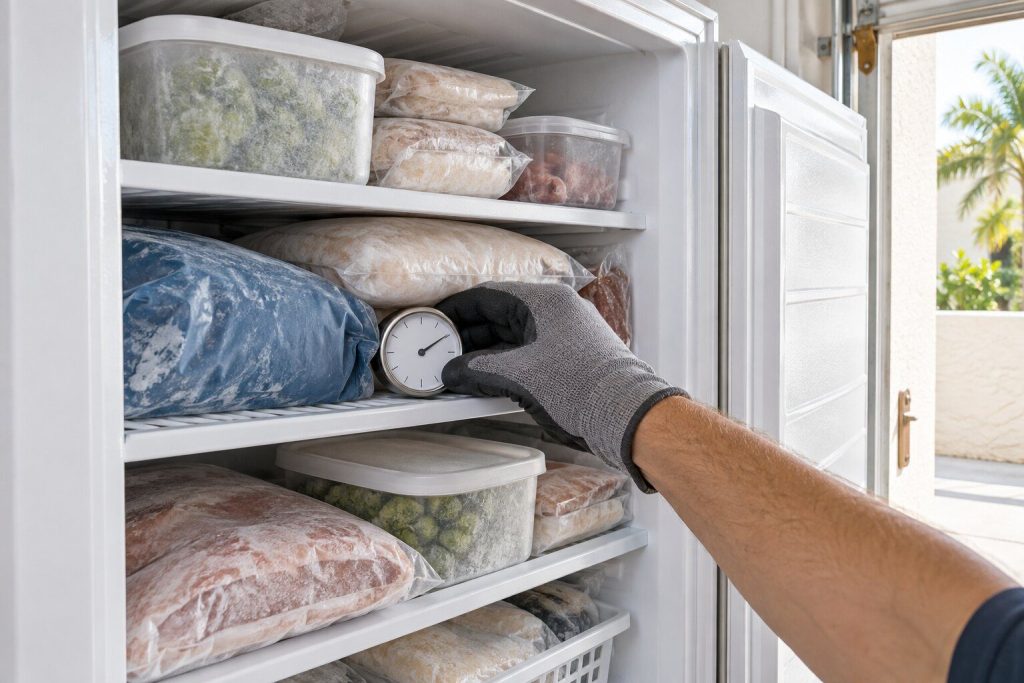
A Frigidaire Freezer After a Power Cut: What to Reset and What to Measure
This maker publishes no code at all for any freezer, so there is nothing to read. The whole answer is a thermometer, a clock, and the door kept shut.
Read more -
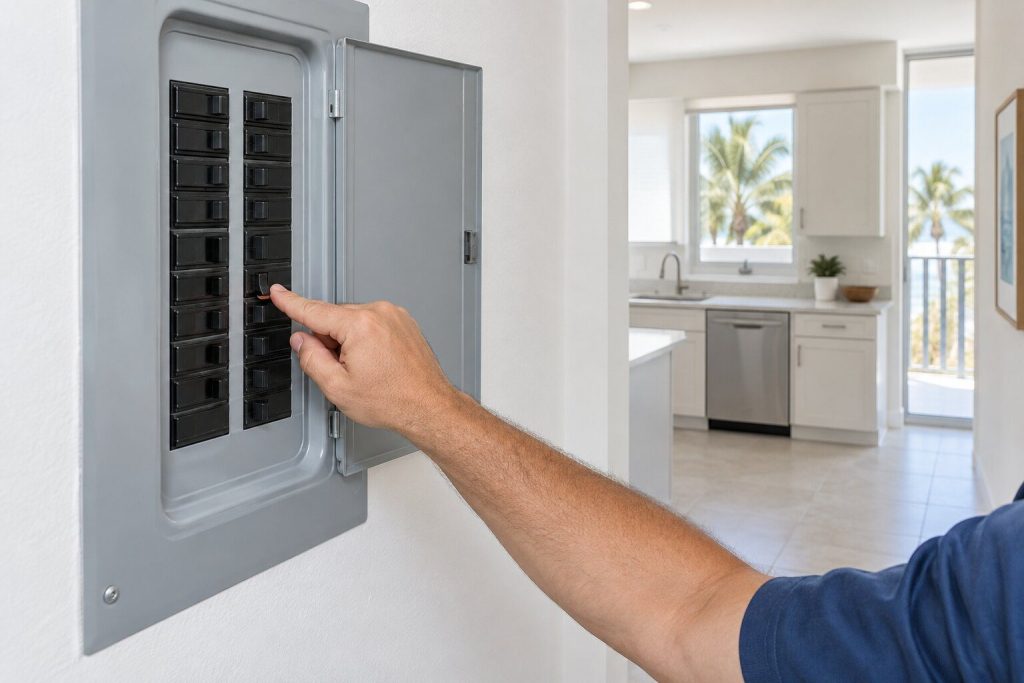
Resetting a Frigidaire Dishwasher After the Power Has Been Out
In this county an afternoon outage is weather, not an emergency. Machines come back in three states, and only one of them needs anything from you.
Read more -
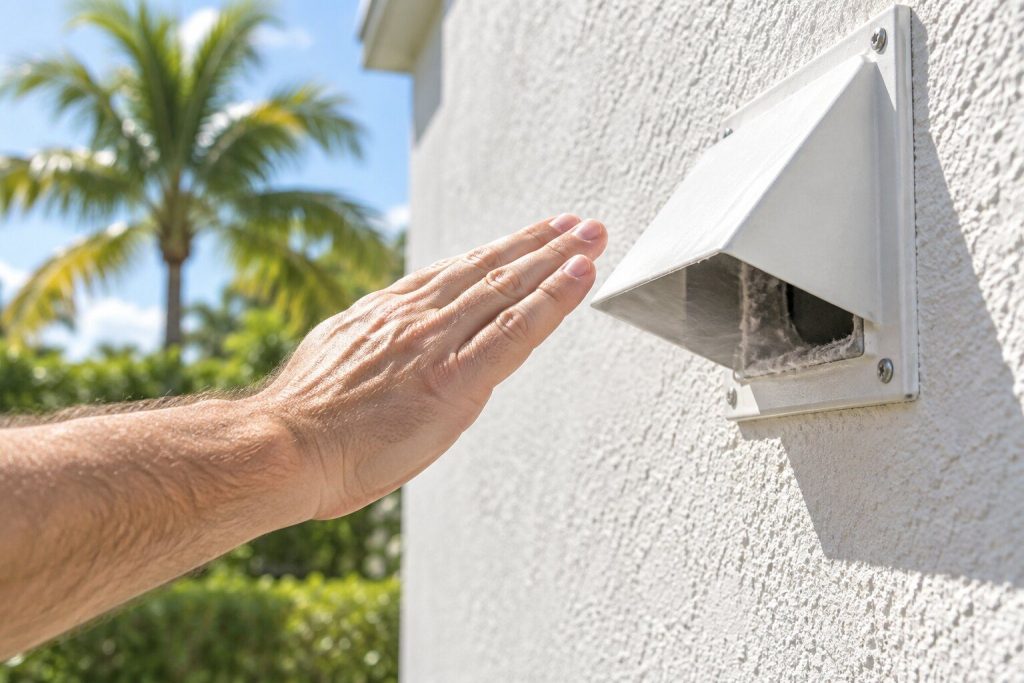
Hard-Resetting a Frigidaire Dryer, on a Machine That Publishes No Codes
There is no code table for any dryer this maker builds. So a reset here is not clearing a message — it is testing a thermal fuse.
Read more
Tell us the model number and what it is doing.
This article is based on:
- Official manufacturer documentation
- Internal repair procedures
- Technician repair history
- Company quality standards