Common Problems
Why a Frigidaire Dishwasher Cycle Takes as Long as It Does
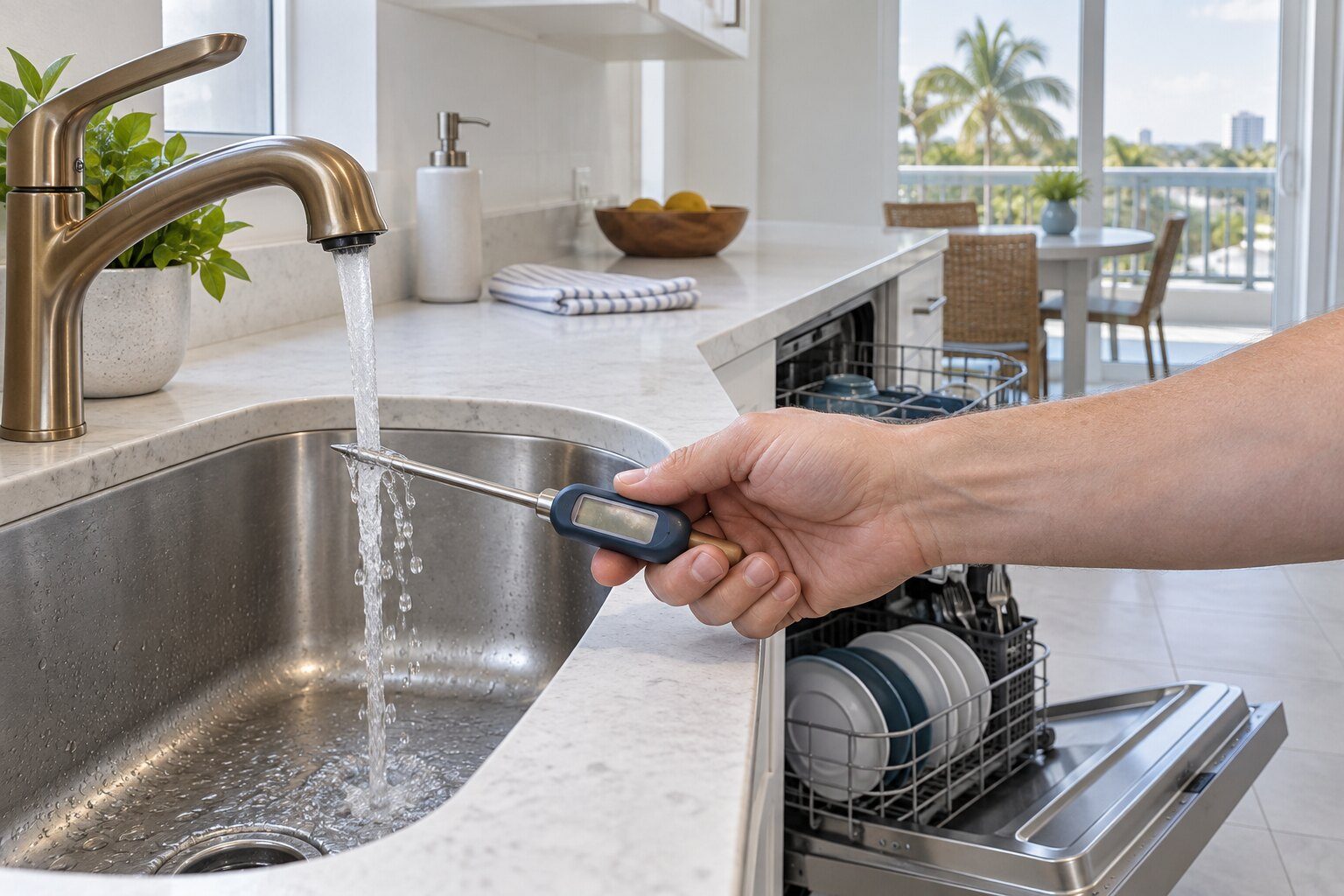
Two to three hours for a normal cycle is ordinary on these machines, and heavy cycles run longer than that. Almost all of the time is spent heating water rather than washing: the machine will not proceed until the water reaches the temperature the cycle calls for, and this maker's own note puts that at roughly one to two minutes of delay for every degree of rise. So a household with a water heater turned down, or a kitchen at the far end of a long cold pipe run, gets a materially longer cycle than the neighbor with the same machine. If the display shows Hd or HO, the machine is telling you exactly this — it is in heat delay, waiting, and that is a status rather than a failure. A cycle that has grown over a few months without anything else changing is usually the house, not the dishwasher.
The full guide
How long does a Frigidaire dishwasher normal cycle take is a question that almost always arrives with a second one behind it: *and why is it so much longer than the old machine?*
How long does Frigidaire dishwasher normal cycle take? Two to three hours, and that is the machine working
A normal cycle on a current machine runs two to three hours. Heavy or pots cycles run longer. Auto cycles vary because they are measuring the load rather than following a clock.
None of that is a problem, and it is worth being blunt about why: almost all of that time is the machine waiting for hot water, not scrubbing dishes.
The arithmetic the maker publishes
This maker states it directly in its own support material, and it is the single most useful number on this page: roughly one to two minutes of delay for every degree of temperature rise the machine has to produce.
Work that through. If the water arriving at the machine is 105 degrees and the cycle wants 140, that is thirty-five degrees, which is between thirty-five and seventy minutes of the cycle spent doing nothing visible at all.
Now change one thing. The household turns the water heater down, or the machine is at the end of a long cold pipe run in a condominium, and the water arrives at 90 instead. That is fifty degrees of rise — potentially another half hour on every load, from a change nobody connected to the dishwasher.
Hd and HO are the machine saying exactly this
If the display shows Hd or HO, that is heat delay or heater-on mode. The machine is reporting that it is heating water and waiting.
It is not an error and there is nothing to reset. We include it in this site's code archive because people search for it as one, and because a page that says *this is normal* is worth more than a page that offers a repair.
The version worth acting on is a machine that never leaves that state. A heater or a thermistor that is not doing its job leaves the cycle waiting for a temperature it will never reach, and that is a visit.
Why modern machines traded time for water
Older dishwashers filled several times with a lot of hot water, blasted it around, and finished in about an hour. They cleaned well and they were expensive to run.
Current machines use a fraction of the water. To get the same result out of less of it, they use it hotter, for longer, and they recirculate it through a filter instead of grinding food and flushing it away. Time is what pays for the water saving.
That is the trade behind every modern energy label, and it is also why a dishwasher can now run quietly enough to sit in an open-plan kitchen while people are talking.
The three things that genuinely lengthen a cycle
Cold incoming water. Run the kitchen hot tap until it is properly hot immediately before starting the machine. On a long pipe run this alone can take twenty minutes off a load, because the machine starts from hot rather than heating a tub of cold.
A loaded filter. Restricted flow makes the machine work harder for the same result and, on machines that sense soil, keeps it washing longer. The filter twists out by hand and is meant to be cleaned.
An auto cycle with a dirty load. Auto cycles measure how dirty the water is and keep going until it clears. A properly scraped load finishes much sooner — scrape, but do not pre-rinse, because a load of spotless dishes confuses the same sensor in the other direction.
When the length is a real problem
Three cases, and they are worth telling apart from the ones above.
A cycle that has doubled with no change to the water supply. A machine that shows Hd for the whole cycle and never proceeds. Or a cycle that finishes at the normal time with cold, wet dishes — that is not a heating delay, that is no heating at all.
Any of those three is worth a visit. The other version — two and a half hours, dishes clean, plastics damp — is a machine doing precisely what it was designed to do.
If it turns out to be a repair
What this leads to, and what it costs
Every job on this site is priced the same way: an on-site diagnostic first, the figure agreed in writing before anybody starts.
-
Dishwasher signal Hd
Frigidaire dishwasher — reported by blinking lights rather than by a code. Not a failure and not really an error — the machine is waiting for its water to come up to temperature and telling you so.
What the lights are telling you -
Dishwasher not drying
Worth knowing before you book: Frigidaire's plainer dishwashers dry by holding the heat of the final rinse rather than by blowing air, so plastics coming out damp is close to normal and no repair will change it. Where china and glass are also wet, the heater, the vent flap or the rinse aid dispenser is genuinely at issue.
- Damp plastic on the plainer machines is the design, not a failure
- Rinse aid changes drying more than any setting on the panel
- Wet china as well as wet plastic is the version worth a visit
-
Dishwasher drying and heat repair
Nothing dry at the end of a cycle, or plastics wet while the china is fine. It is worth knowing that Frigidaire's plainer machines dry by holding heat rather than by blowing air, so damp plastic is close to normal and a dry load is helped more by rinse aid than by any setting. Where nothing at all dries, the heater, the vent flap or the thermostat is genuinely at issue.
- On the plainer machines damp plastic is the design, not a failure
- Rinse aid changes drying more than any button on the panel
- Nothing drying at all is the heater, the vent or the thermostat

Questions people ask about this
How long does a Frigidaire dishwasher normal cycle take compared with older machines?
Much longer, and deliberately. Older dishwashers used far more hot water and finished in an hour. Current ones use a fraction of the water and make up for it with time and heat, which is what a modern energy rating actually buys.
My cycle has got longer over the last few months. Is that the machine?
Usually not. Check the water heater setting and whether anybody has changed it, and run the kitchen hot tap until it is genuinely hot before starting a load. If the cycle length follows the water temperature, the dishwasher is behaving correctly.
Common Problems
More guides like this one
-
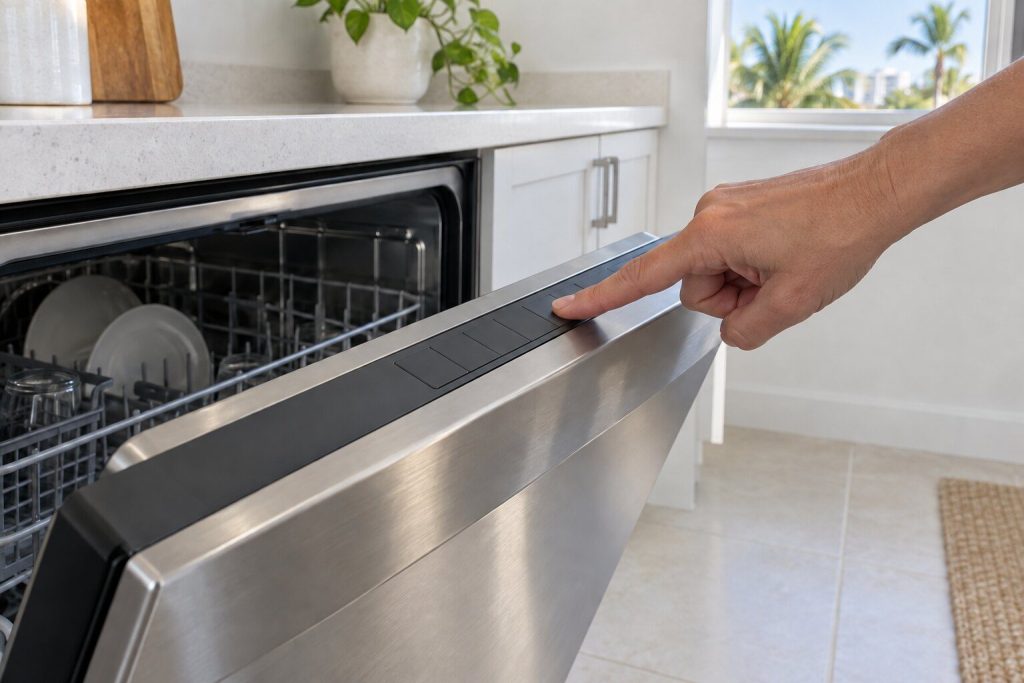
Unlocking a Frigidaire Dishwasher That Is Ignoring Every Button
Three different things get confused here: the control lock, a delay start counting down, and a door latch switch that is not making contact.
Read more -
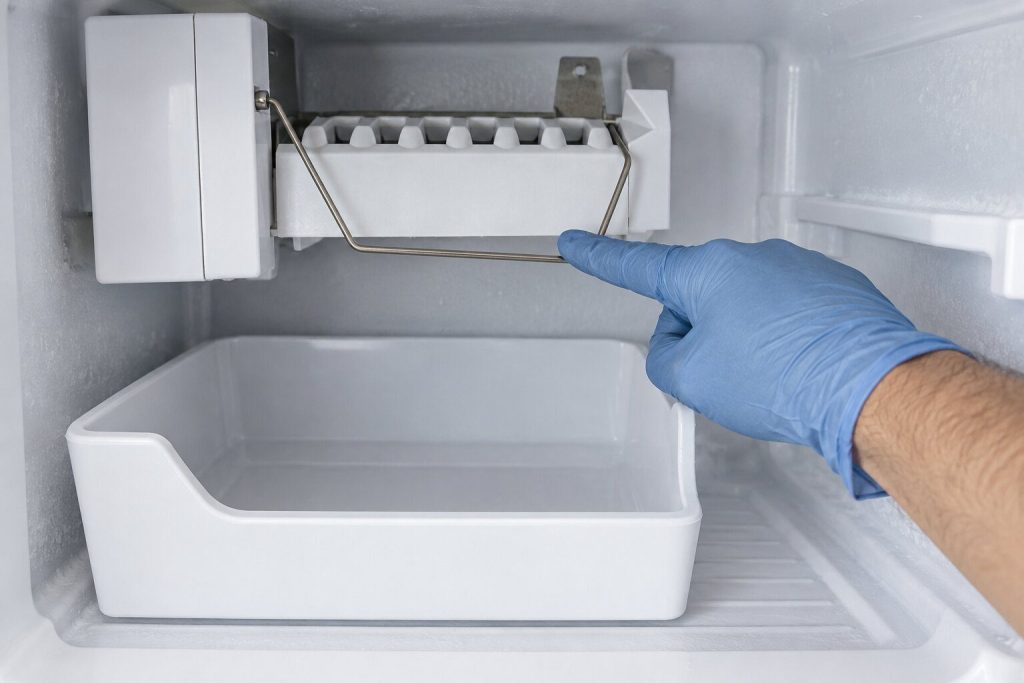
How to Tell Whether Your Frigidaire Ice Maker Is Actually Switched On
A wire arm knocked up by a box of frozen food is the cheapest reason a household goes a week without ice — and it looks exactly like a broken ice maker.
Read more -

Registering a Frigidaire You Did Not Buy, and Why the First Thirty Days Matter
Registration does not create a warranty and not registering does not void one. What matters more is who installed it, and how long ago.
Read more
Tell us the model number and what it is doing.
This article is based on:
- Official manufacturer documentation
- Internal repair procedures
- Technician repair history
- Company quality standards